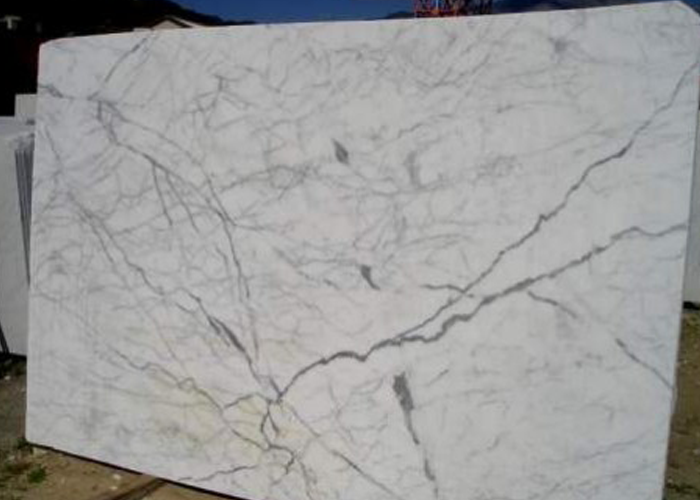
Why Your White Marble Is Turning Yellow And Who’s Really at Fault
Why Your White Marble Is Turning Yellow And Who’s Really at Fault
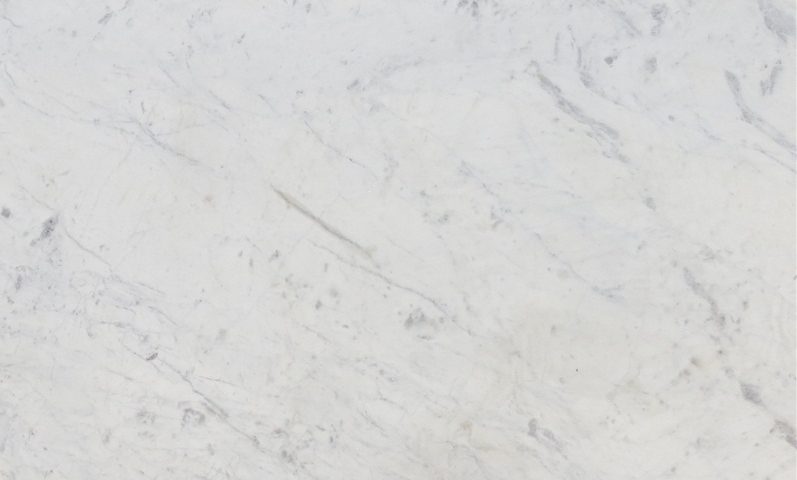
Banswara White marble
Nobody Warns You About This Before You Buy
Shree Abhayanand Marbles has spent years helping homeowners and builders choose stone that actually holds up and cleaning up the mess left by stone that didn't.You spend real money on marble. You watch it get laid. It looks genuinely beautiful for a few months. Then one day you notice a dull, yellowish tint creeping in. Not a stain you can wipe off.
People usually blame themselves first. Wrong cleaner, maybe. Too much mopping. But here's what actually happens if your well-chosen Banswara white marble starts going yellow, nine times out of ten the stone itself isn't the problem. Something upstream went wrong. Either at the quarry, at installation, or at the shop where you bought it. And that last one is where it gets uncomfortable.
Cause 1: The Stone Has Too Much Iron in It
This is the one nobody in the supply chain wants to talk about. Some marble deposits, plenty of them, frankly carry high iron content. You can't see it when the slab is fresh. The iron sits inside the stone, dormant. Then moisture gets in. Or a cleaning product makes contact. The iron oxidizes, exactly the way metal rusts, and that rust color bleeds up through the surface from the inside.
No polish fixes this permanently. No sealer stops it. You can slow it, delay it, manage it but iron-rich stone will keep showing you what it's made of.
Banswara marble, pulled from the right quarries, has naturally low iron levels. That's not a sales pitch, it's the geology of that specific deposit region. Shree Abhayanand Marbles tests iron content before dispatch because they've seen too many clients come back frustrated about exactly this. Cheaper alternatives don't go through that check. They go through a price negotiation and then onto a truck.
You won't know the difference on day one. You'll know by month eight.
Cause 2: A Bad Sealant Was Used at Installation
Here's something that doesn't get said enough: a terrible sealant applied to good marble will still ruin the floor.
Low-cost sealants often trap moisture beneath the stone's surface rather than blocking it. Others are petroleum-based, and those amber with UV exposure. Six months of Indian sunlight through a window and that "protective coating" is now the reason your marble looks jaundiced.
This is mostly a contractor problem. But you're the one living with the floor, so it lands in your lap.
The fix requires stripping the old sealant all of it and applying a proper penetrating type that bonds into the pores rather than sitting on top like a film. It's a real job. It costs real money. Worth asking about sealant brands before work starts, not after.
Cause 3: Someone's Been Cleaning It With the Wrong Products
Lemon juice. Vinegar. That "all-natural" spray your cousin swore by. Certain bathroom cleaners that smell clinical and feel effective.
All acids. Marble is alkaline. Repeated acid contact doesn't just stain marble it chemically etches the surface. In lower-quality stone, that acid exposure can pull buried iron deposits upward faster than normal weathering ever would. What looks like yellowing is actually the stone reacting, at a molecular level, to something it can't tolerate.
Good Banswara marble handles occasional acid contact better than cheap imitations do. But consistent misuse will damage anything. Switch to a pH-neutral stone cleaner. Warm water and a soft mop handle most situations anyway.
Cause 4: Water Has Been Sitting on the Surface
This one catches people off guard.
Marble absorbs moisture slowly not like a sponge, but not like glass either. Wherever water pools and sits near the bathroom basin, under a plant pot, around a kitchen sink the minerals dissolved in that water start depositing inside the stone. Hard water is particularly harsh. Over time, those mineral deposits interact with the marble's calcite structure and produce a yellowish, cloudy discoloration that seeps inward rather than sitting on top.
The fix is boring: wipe up standing water quickly, dry-mop after wet-mopping, don't leave wet things sitting on marble surfaces. Consistency matters more than any product here.
Why Shree Abhayanand Marbles Is Worth the Conversation
Most suppliers show you a polished showroom and leave the hard questions for someone else to answer.
The team at Shree Abhayanand Marbles has dealt with enough yellowing floors, frustrated homeowners, and post-installation regret to take sourcing seriously from the start. Iron content is checked. Quarry origins are verified. When a client calls six months later with a concern, there's someone who can actually explain what happened and why it won't happen with correctly sourced stone.
If you're comparing options right now, ask your other shortlisted suppliers where their Banswara stone actually comes from. Ask how iron content is verified. If the answer is vague or defensive, that tells you something worth knowing before you commit.
Conclusion
Yellow marble is almost always traceable to one of five causes: bad stone, bad sealant, wrong cleaning, standing water, or stone that wasn't what it was claimed to be. The first and the last are the hardest to fix after the fact. They're also the easiest to prevent before installation, if you buy from someone who takes sourcing seriously.
The market has a lot of marble that photographs like Banswara and behaves nothing like it. That gap shows up on your floor, usually after the contractor has moved on to his next job. Get the sourcing right the first time. Talk to Shree Abhayanand Marbles before you sign anything.