How to Identify Premium Grade Indian Statuario Marble in India Before Buying
How to Identify Premium Grade Indian Statuario Marble in India Before Buying
Most people discover they bought the wrong marble after it is already fixed to their floor. The installer has left, the grout has dried, and something looks slightly off. That is the worst time to realize you got sold an average stone at a premium price. If you are about to spend serious money, spend twenty minutes learning to check quality first. Before you purchase any slab, understanding how to properly assess the grade of Indian Statuario marble in India will save you from a decision you cannot undo once the installation is done and almost nobody takes that time.
What Premium Indian Statuario Marble Actually Looks Like
Statuario has a white base with grey veining. Most people know that. What most people do not know is how wide the quality gap is between slabs sold under the same name.
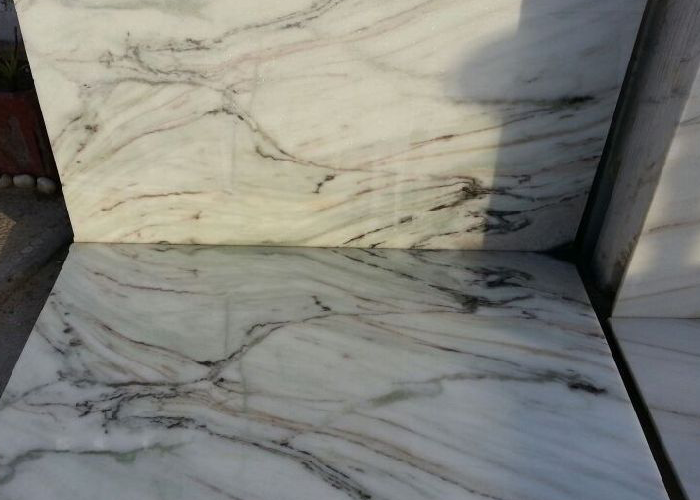
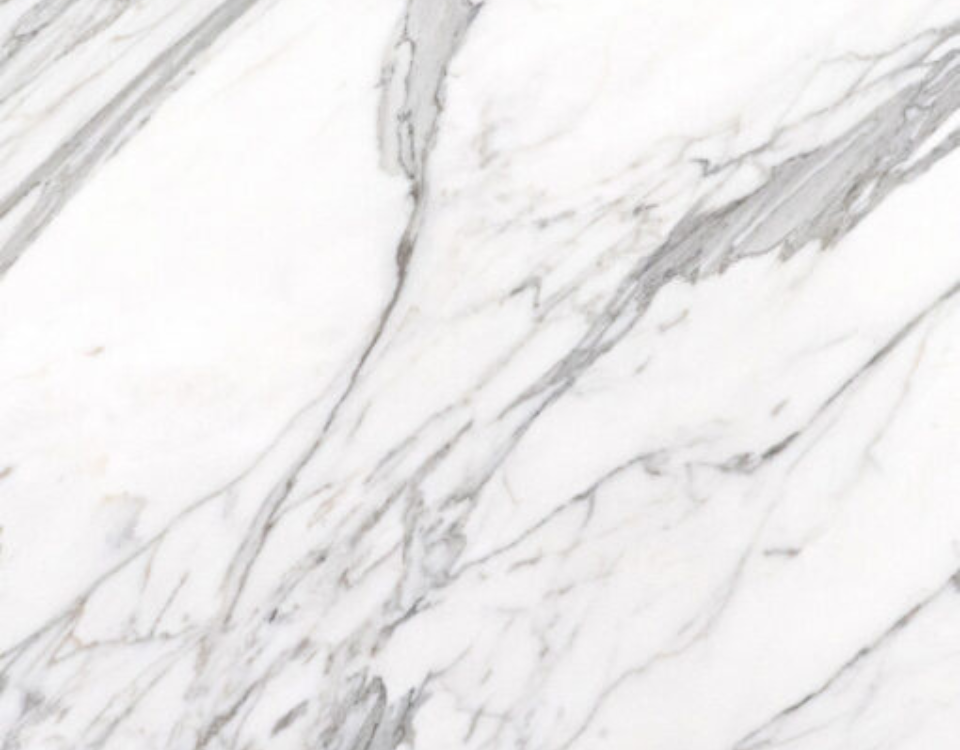
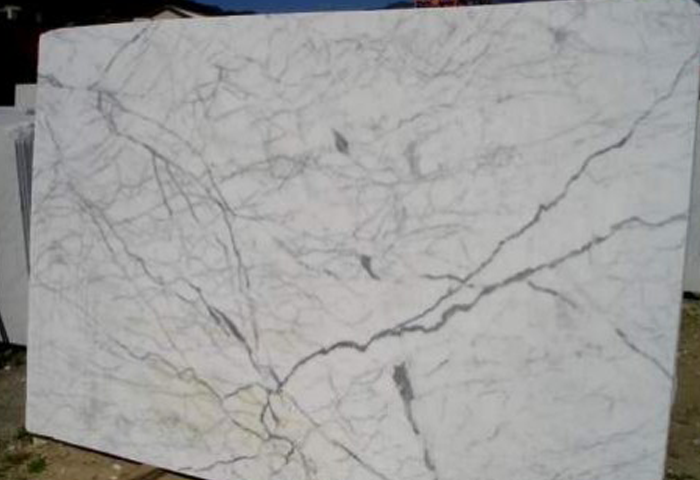
The real premium grade is bright white. Not cream. Not slightly warm. White. The veining is defined and moves across the surface in a way that feels natural like it belongs there. Low-grade material has a grey wash across the base, or veining so dense the slab reads more grey than white. Some slabs have blotchy patches where the colour breaks down entirely.
Rajasthan quarries produce genuinely good Statuario. They also produce a lot of ordinary stone that gets polished up and marketed as premium. The name alone tells you nothing.
How to Physically Check Indian Statuario Marble in India Before You Buy
Get close. That is the whole lesson, honestly.
Run your hand flat across the surface. Premium polished marble feels like glass smooth, uninterrupted, no gritty patches. Then crouch down and look at the slab at a low angle under direct light. Cracks and fissures show up clearly this way. Any crack you see is a future problem during cutting, during installation, or three years later when the floor starts showing stress lines nobody can explain.
Check the edges. Chip easily? Crumbles a little when you press? That stone is either too porous or was cut badly. Neither is acceptable for flooring.
Run a finger along the edge thickness. It should feel consistent end to end. A slab that is thicker on one side was cut on badly calibrated equipment. That unevenness shows up during installation as height differences in your floor.
The Resin Trap That Catches Buyers Every Time
This one is worth knowing before you walk into any showroom.
A large portion of marble slabs including Statuario get resin-treated before sale. Resin fills micro-cracks and surface pores, making a mediocre slab look polished and flawless in the showroom. Looks great on day one. Within months of real use, especially in bathrooms or high-traffic areas, that surface starts looking patchy, dull, and uneven.
Testing it is simple. Drop a few small water drops on the surface. If they bead off unusually fast, resin is present. Under strong light, a resin-treated surface has a slightly flat or plastic quality to it real marble has a depth that resin flattens out.
The easiest test is still asking the supplier directly. An honest dealer tells you upfront. A dealer who gets vague or changes the subject has already answered your question.
Grading Veining, Finish and Thickness on Indian Statuario Marble in India
Premium Statuario marble in India gets its grade from a combination of factors, not just appearance.
Good veining looks like it grew in the stone. It moves organically, varies slightly in width, and does not repeat in a pattern. Bad veining looks scattered, too uniform, or too dense. A properly polished premium slab reflects your face clearly, not roughly, not almost. Clearly. A honed finish should be perfectly even across the whole slab with no lighter or duller patches anywhere.
If you are buying for a large area, ask to see multiple slabs from the same batch. Natural variation between slabs is normal. But if two slabs from the same supposed lot look completely different in base colour or vein density, you are likely looking at mixed-grade material being sold as a single grade. That inconsistency shows badly once the floor is laid.
Why Shree Abhayanand Marbles Is Worth Talking To
Shree Abhayanand Marbles buys directly from Rajasthan quarries. No middlemen, which means quality checks happen before the stone gets processed, not after it has been polished and dressed up for display. Every slab goes through manual inspection. The team is straightforward about what grade something actually is. If a slab is mid-grade, they say so. You can examine slabs yourself before committing to anything, and you will get direct answers to direct questions. That sounds basic. In practice, it is rarer than it should be.
Buy It Right the First Time
Marble does not give you a second chance easily. A bad purchase stays on your floor for years, and fixing it means tearing everything out and starting over. Take the time, ask the hard questions, and work with suppliers who do not get uncomfortable when you do. Get it right once.