Why Rajasthan Produces the Best White Marble in India
Why Rajasthan Produces the Best White Marble in India
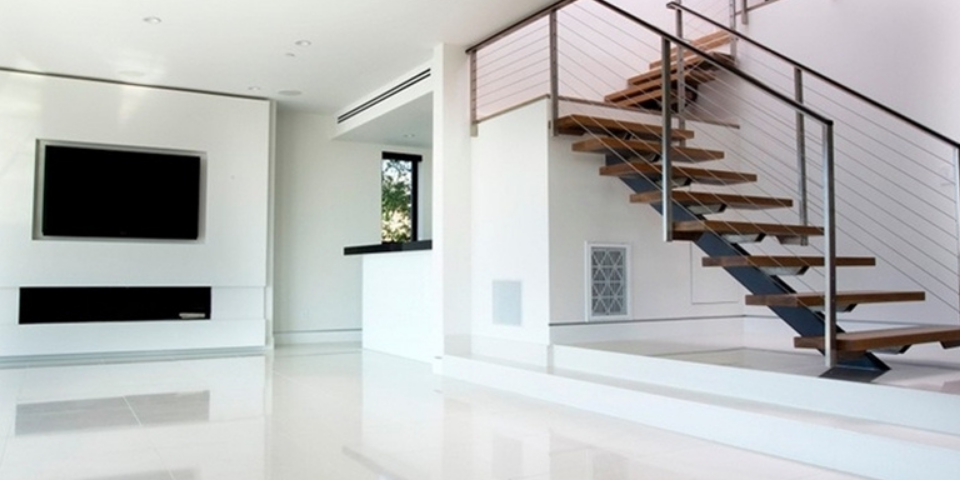
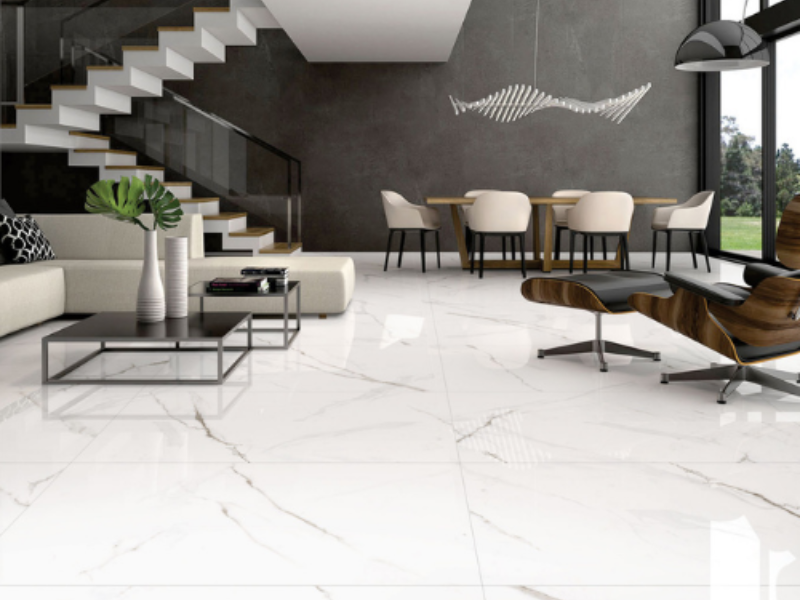
If you've ever looked at a marble floor and wondered where it came from, there's a decent chance the answer is Rajasthan. The state has been at the center of India's marble trade for decades not because of marketing, but because contractors and architects keep coming back. When the same material gets reordered project after project across the country, something real is driving that. Sourcing the best white marble in India has largely meant coming to this one region, and once you understand why, it's hard to argue with.
The Geology Behind White Marble in India's Stone Belt
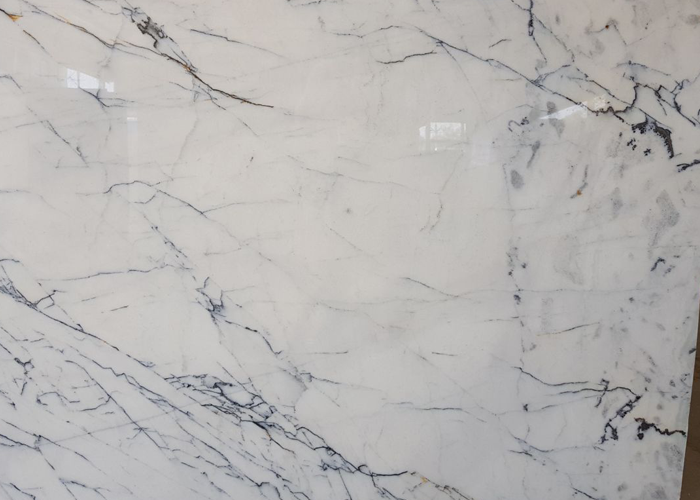
Rajasthan's marble deposits run through Makrana, Kishangarh, and parts of Nagaur all sitting on ancient metamorphic rock formations. What that produces is dense, crystalline stone with a structure tight enough to hold a polish for years without dulling. Makrana marble has a purity level that's hard to match anywhere else in the country. The Taj Mahal was built with it. If you want a reference for how long this stone holds up, that one tends to end the conversation. No other Indian state has geology quite like this, and attempts to position other regions as comparable haven't really stuck with serious buyers.
Why Consistent Block Quality Changes Everything for Builders
Something that rarely gets discussed: the size and integrity of blocks coming out of a quarry matter as much as how the stone looks. Rajasthan quarries extract marble in large, unbroken blocks. Slabs cut from these come out at consistent thickness, and veining across a batch stays predictable. When you're tiling a commercial lobby or running marble across an entire floor plate, that predictability is the whole job. Thinner spots show under grout. Mismatched veining ruins the look. Builders who've worked with Rajasthan marble and then tried sourcing from elsewhere tend to end up back here.
How Processing Infrastructure Separates Good Stone From a Great Finished Slab
Getting the block out of the ground is step one. What happens next is where a lot of suppliers fall short. Over the past two decades, Rajasthan's marble industry has put serious money into gang saws, calibration lines, and multi-head polishing equipment. Slabs come out with tighter tolerances and cleaner finishes than you'd get from regions where processing is still catching up. Surface inconsistencies and thickness variation are the kinds of problems you don't notice until installation and then they're expensive. The infrastructure here reduces that risk considerably.
Why Choose Shree Abhayanand Marbles
Most suppliers buy from wholesale markets. Shree Abhayanand Marbles works differently; they own and operate their mines directly. Quality control starts at the quarry face, not at a dispatch warehouse after the stone has moved through several hands. Blocks are checked for grain structure, whiteness grade, and surface fissures before anything gets processed. Their in-house processing unit means the stone goes from raw block to finished slab without leaving the facility nothing gets switched out along the way.
No distributor chain in the middle also means pricing doesn't carry three markups. They've handled both domestic and international orders, so logistics isn't something they're figuring out as they go.
Where it really shows is when something goes wrong. With a direct-mine supplier, there's one team accountable. No finger-pointing between quarry, processor, and trader. That matters more than most buyers realize until they've had to deal with the alternative.
Stone That Has Earned Its Place in Indian Construction
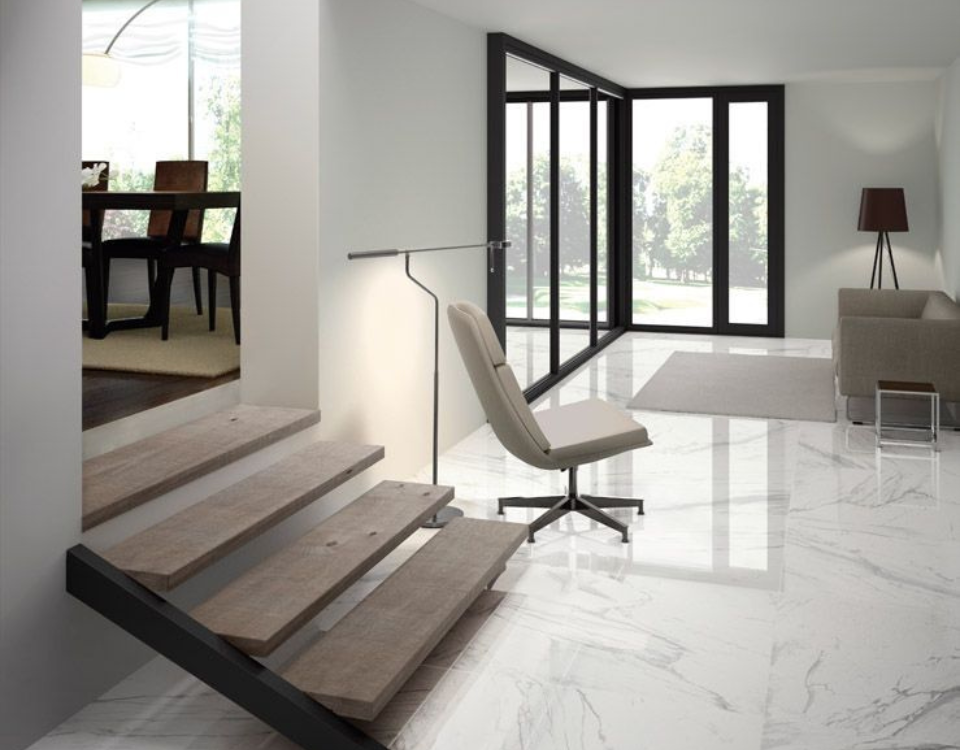
Rajasthan's standing in India's marble trade was built on stone that kept performing after installation on floors, facades, and staircases that are still standing and still looking right. Other regions are developing, but the depth of experience here, in extraction, processing, and supply, is not something that gets built overnight. For projects where the material needs to actually last, this is still where most serious buyers come. Shree Abhayanand Marbles gives you direct access to that, without the layers that usually sit between a buyer and the source.
Frequently Asked Questions
- What makes Rajasthan marble stand out compared to other states?
The geology is genuinely different. Metamorphic deposits around Makrana and Kishangarh produce stone with high purity, tight crystalline structure, and whiteness grades that other Indian regions rarely match. Decades of quarrying and processing experience on top of that means a more consistent product. - Is Makrana the only white marble from Rajasthan?
No. Kishangarh and nearby areas produce white marble too, each with slightly different vein patterns and grain. The right variety depends on the project. Shree Abhayanand Marbles can help narrow it down based on actual requirements, not just what's easiest to sell. - Can I source directly from Shree Abhayanand Marbles?
Yes. They own their mines and run their own processing you're dealing with the source. No distributor means better pricing and stone that hasn't been through multiple handlers before it reaches you. - What is Rajasthan white marble suitable for?
Flooring, wall cladding, staircases, countertops, exterior facades. Dense enough for heavy commercial use, consistent enough for high-end residential work. - How do I choose the right marble grade?
Grades come down to whiteness, fissure presence, and veining uniformity. Feature walls and premium floors need higher purity. Utility areas can work with mid-grade at a lower cost. Tell the Shree Abhayanand Marbles team what the stone is going into, they'll point you to the right grade.