Can Lady Purple Marble Handle Kitchen Heat and Spills?
Can Lady Purple Marble Handle Kitchen Heat and Spills?

Kitchens here are busy — tadka pans, pressure cookers, steaming idlis, and the occasional hot tawa dropped on the counter while juggling chai. Many homeowners planning kitchen renovations ask the same question: can Lady Purple Marble in India actually cope with the everyday heat, oil splatters and turmeric stains of an Indian kitchen? It’s a fair worry. In this post I’ll explain, in plain language, what to expect from Lady Purple Marble, how it behaves under heat, and practical tips homeowners often find useful when choosing Banswara purple marble for a kitchen.
Understanding Lady Purple Marble
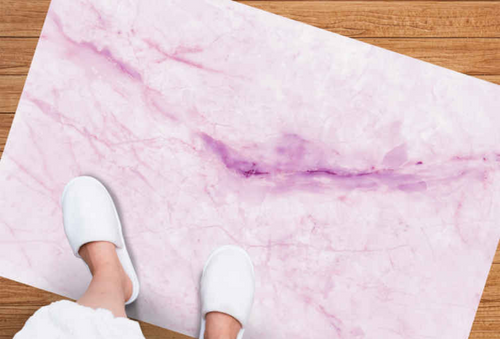
Lady Purple Marble is a popular choice, often coming from the Banswara area of Rajasthan. This marble's distinctive purple and mauve veining adds character to a contemporary or heritage kitchen. You usually find, that purple marble provides warmth and flair without the garishness of some options. Good looks matter, of course, but the durability and maintenance are important factors too. Generally speaking, purple marble is still a natural metamorphic stone (like most, if not all marbles); it is softer than granite but has a dense finish, making it acceptable for countertops and backsplashes if properly finished and installed. Part of the allure of marble (think of it as fine wood) is that it is exquisite, soft, and requires a degree of respect to keep it looking stunning!
How Much Heat Can Lady Purple Marble Really Take?
Yes – with caveats. The heat resistance of purple marble can be adequate for brief contact with hot utensils. Short periods of heat, like brief contact with a hot pan or freshly used pressure cooker setting on a countertop, is usually fine. Although, homeowners are likely to have their own beliefs about how to deal with their stone and can sometimes treat marble as able to tolerate short heat moments up to approximately 100–150 °C (212–302 °F). Otherwise, long exposure or direct exposure to very high heat, open flames (gas stove), or hot cast-iron pans immediately from the stove would be a form of thermal impact which could, over time – cause thermal stress, dulling, or in some cases small fissures in the stone.
Why all the caution? The nature of marble is it unpredictably responds to sudden temperature changes – similar to a fragile teacup that cracks if you pour boiling water into a cold cup. This is referred to as thermal shock. So: use trivets, or heat pads. It is a habit that involves very little effort but will save you substantial worry.
Spill & stain management — real kitchen scenarios
What about the famous Indian culprits — oil, turmeric, beetroot, and tea? Purple marble stain resistance varies with finish and sealing. Homeowners often notice that light spills wiped quickly disappear; left unattended, haldi (turmeric) or red chilli oil can leave a mark. Situation: oil splattered onto the splashback while tempering mustard seeds and red chilli. Most of the time, the stain will lift if treated with mild detergent in warm water within a minute or two. If the stain does not come up, then you may need a gentle poultice or for some people to use a stain removal expert.
Handy Tip: keep a small spray bottle of warm soapy water nearby. You can quickly treat dated spill. For older stains, some people find that a paste of baking soda and water (left for a brief period of time) works too. However, always test the ingredient in an inconspicuous space first. The best 'cure' is 'prevention', and consider a simple tiny splashback behind the hob or a stainless steel guard behind the stove to limit exposure directly.
Sealing & maintenance — keeping that purple glow
Purple marble sealing is the unsung hero. Proper sealing makes a huge difference to purple marble maintenance. A penetrating sealer blocks oils and liquids from entering pores, boosting stain resistance. Homeowners often reseal countertops every 1–3 years depending on usage and the sealer type. Light daily cleaning with a pH-neutral cleaner stops grime buildup. Avoid acidic cleaners (like straight lemon, vinegar, or abrasive powders) — they dull the polish.
Think of sealing like rainproofing a favourite jacket. The jacket stays beautiful longer; the same goes for stone.
Practical Indian kitchen tips & final advice
- Where will the hot pots land? If near the hob, use a dedicated trivet zone.
- For daily cooking tasks — chopping onions, kneading dough — use a cutting board; marble looks stunning but can nick with heavy repeated chopping.
- For masala splatters and haldi, wipe immediately. A damp microfibre cloth works wonders.
- If choosing a backsplash behind the stove, consider using Lady Purple Marble in combination with an easily washable material like glass or stainless steel where splatter is heaviest.
Is It Right For Your Kitchen?
Many homeowners find it a beautiful, workable choice when they accept a few simple habits: use trivets, seal regularly, and treat stains quickly. The result is an attractive countertop a canvas in rich purple tones that develops character rather than aging poorly over time. If you're working with Banswara purple marble or are simply looking for specifications and finishing options, Shree Abhayanand Marble Industries of Banswara, Rajasthan has supplied excellent slabs and can advise on sealing and finishing for kitchens. Their website, whitemarblestones.com, offers options and you can also ask about kitchen-ready finishes for Lady Purple Marble in India.
Curious about matching cabinet colors or ideal backsplash ideas for purple stone? Ask — practical suggestions tailored to real Indian kitchens are just a message away.